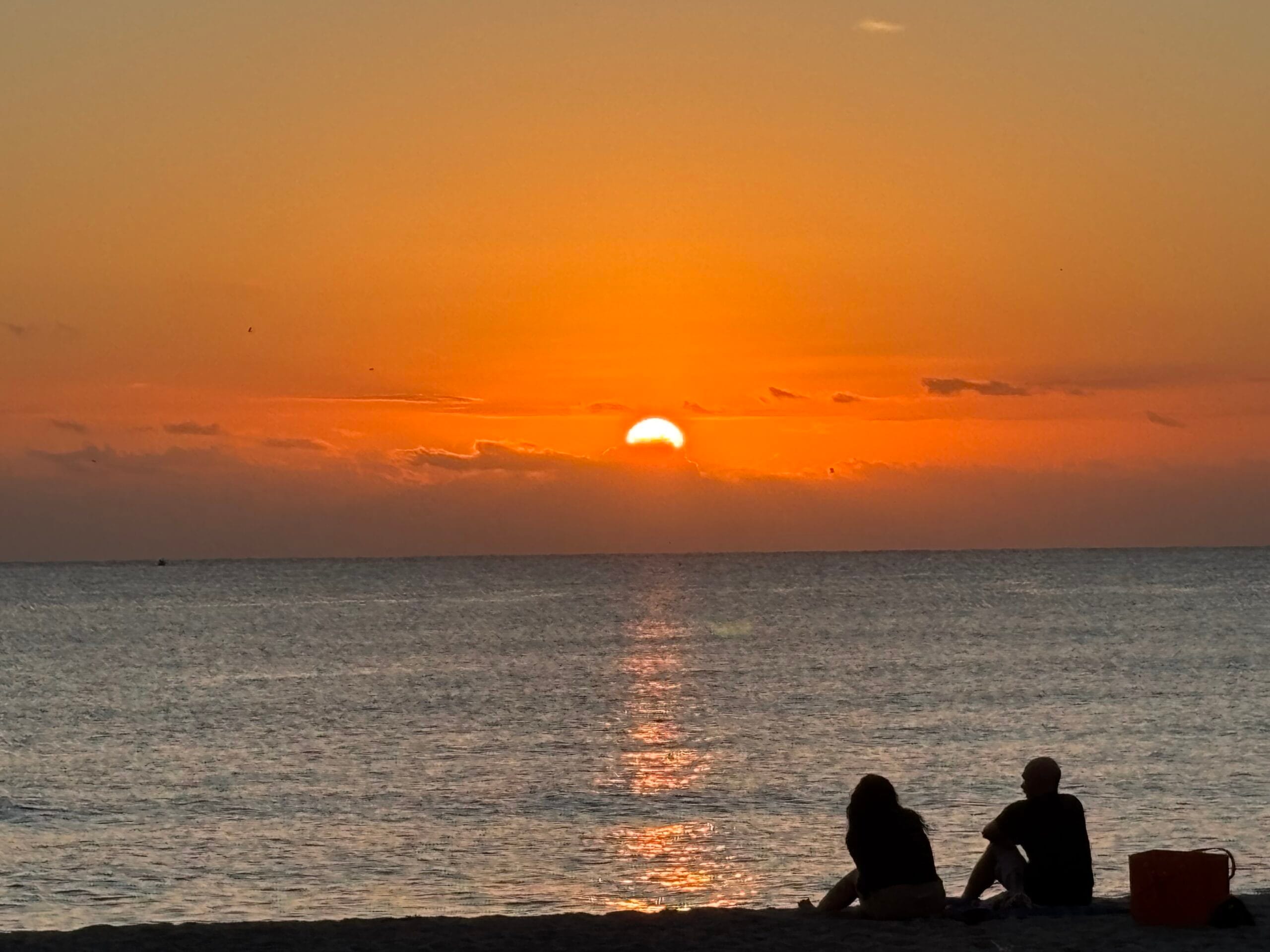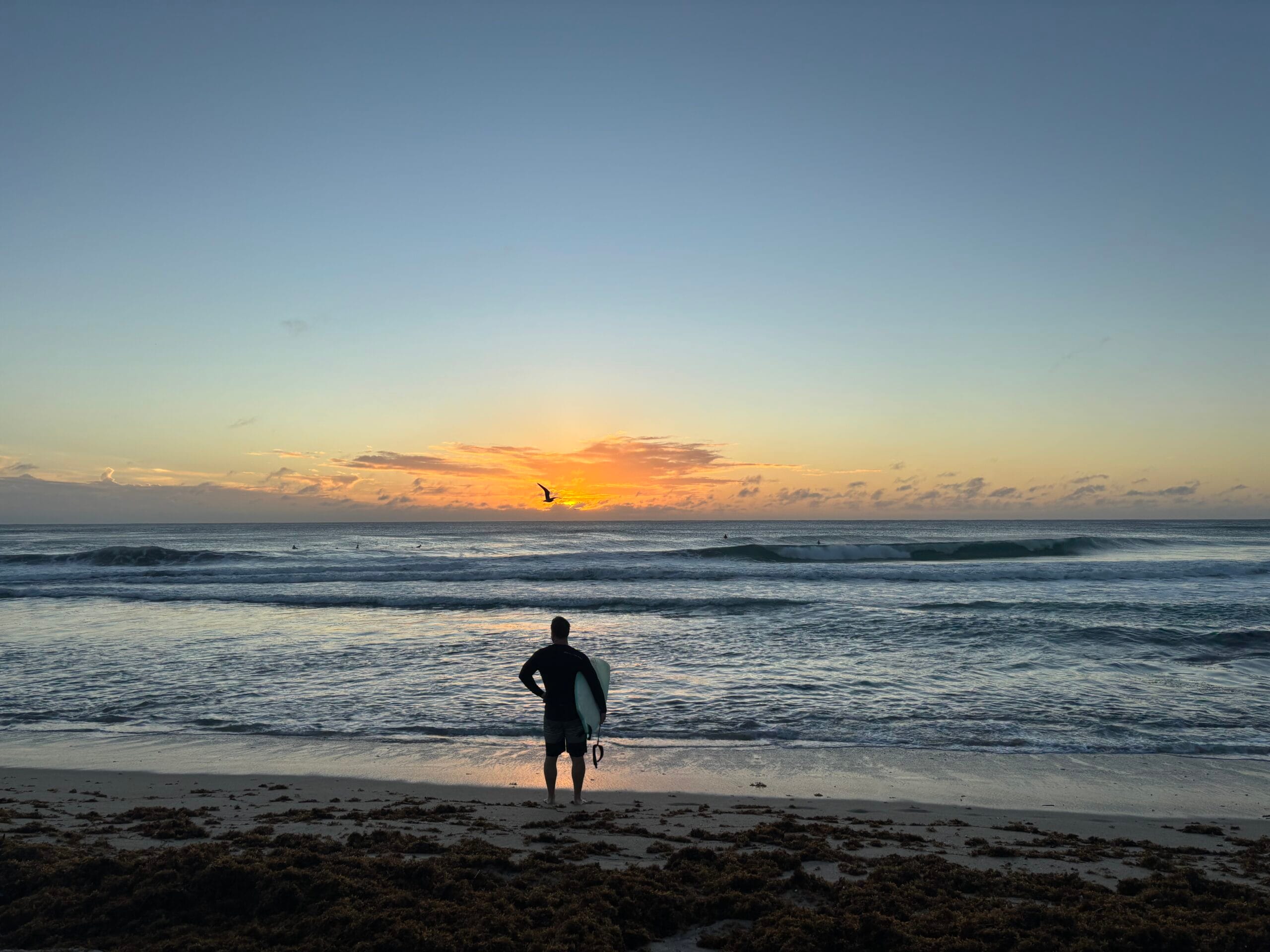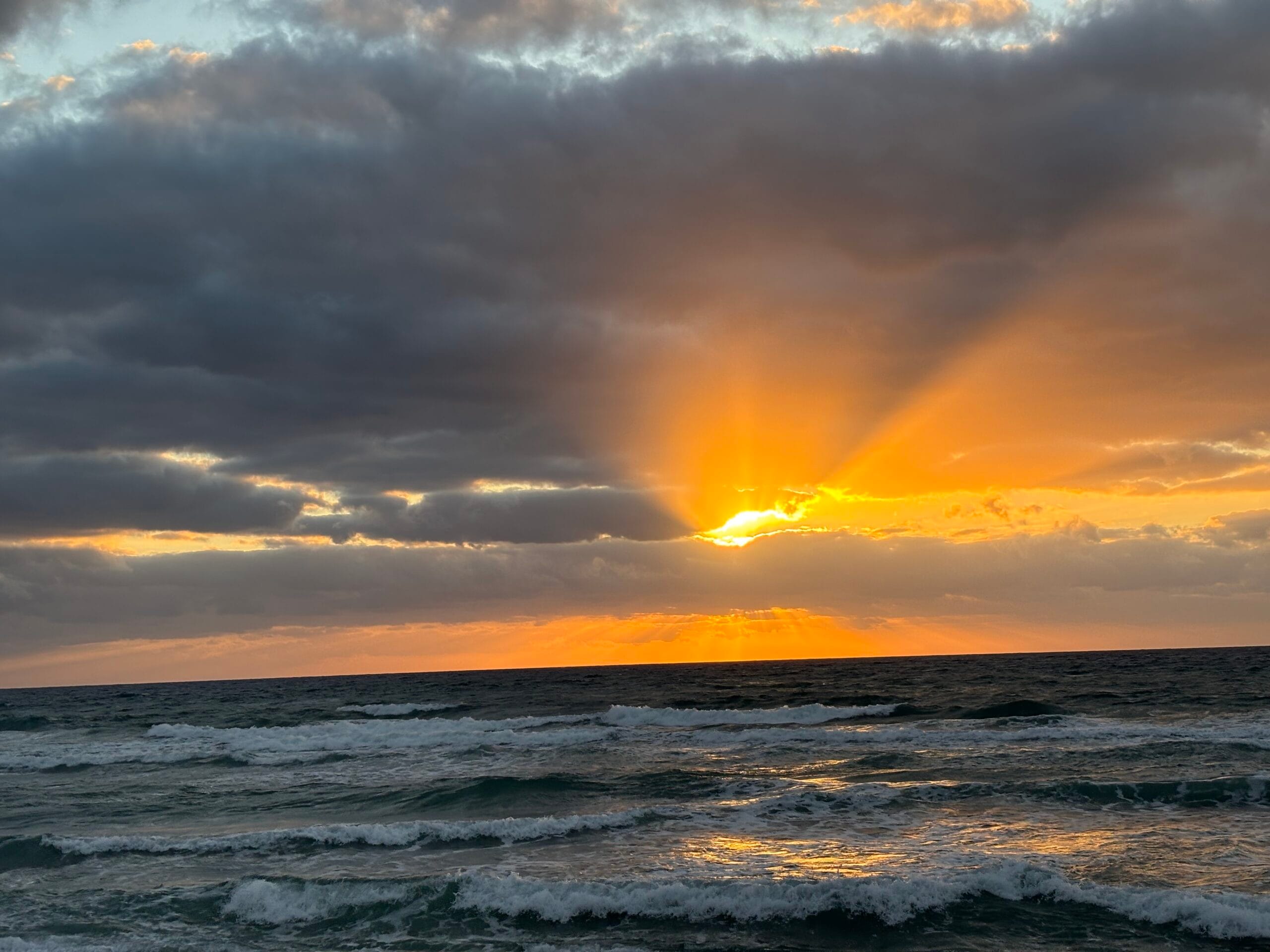
Here we are again at a winter solstice. The nights are long. It is cold or cooler outside. Can you feel the urge to hibernate? It is natural to just want to just want to be quiet and peaceful. A few years ago, a dear friend shared a book that she knew that I would appreciate. In Winter World by Bernd Heinrich, he details the hibernation habits of birds, squirrels, mice, turtles, frogs etc. It is so fascinating. I thought I would just share a couple of paragraphs to contemplate each of our paths in the darkness of these nights.
A large part of adapting to the winter world involves creating a suitable microclimate. Birds wear insulating feathers, mammals fur, and we wear adaptive clothing. But a number of animals, primarily beavers, bears, humans, birds and some insects take a step beyond insulation, building nests or dens that supplement or take the place of body insulation.
In all animals, den construction is constrained by building materials, energy requirements for heating materials, energy requirements for heating and cooling, defense, and accessibility. The Anasazi Indians of the southwestern United States built their homes high on inaccessible and defensible cliffs, choosing locations where an overhanging ledge offered shade at noontime in summer and exposure to direct sunshine in the winter when the sun is low. To the north and in Europe and Asia, when wood was not available, Ice Age built huts framed with mammoth tusks and covered them with skins and sod: the early Eskimos did, similarly, substituting whale bones for mammoth tusks. They invented the igloo, that marvel of simplicity and efficiency. Using hard-packed, fine-grained snow cut with a knife into blocks roughly twice as long as high, a man could build a house in less than an hour by spiraling the blocks upward, each slated slightly inward. Page 55
We are in a modern era, but that doesn’t mean that the need for hibernation goes away. Few of us construct our own home. We still need to hunker down. Just a couple of hundred years ago before the electric light, there was the absolute need to go with the flow of the season and have an additional few hours of rest going with the light of the day. It is normal to just not have the same energy as in the summer. Activity has to be reduced. I feel it deeply. I used to work until late at night. I can’t make myself do that now.
The questions to ask yourself are how do you create hibernation time? Do you find yourself going to bed earlier? Do you make the bed with more warm blankets? Do you allow for more down time? What is your natural rhythm during these long nights? Do you enjoy going to a quiet retreat during these times? Perhaps there needs to be a chapter in this book for the modern woman and man and how we adapt to this time and still find our moments of hibernation.
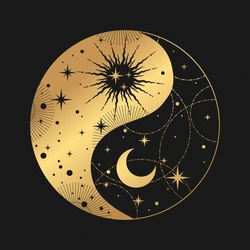
It’s helpful to contemplate the yin yang symbol – the light within the dark and the dark within the light. It is a picture of something that actually is always in motion. Even in retreat, hibernation or slowing down there is the promise of potential activity. It is simply a long pause.
The coming solstice also marks time. We have the new moon in Sagittarius on the 19th . Then the solstice on the 21st. Then two new moons after the solstice marks the transition from the Chinese New Year going from the wood snake to the fire horse. (More on this come January.) It is a natural time of transitions and during these types of transitions there are always the opportunities to end old chapters and begin new ones. Be creative with the flow of your next chapters.